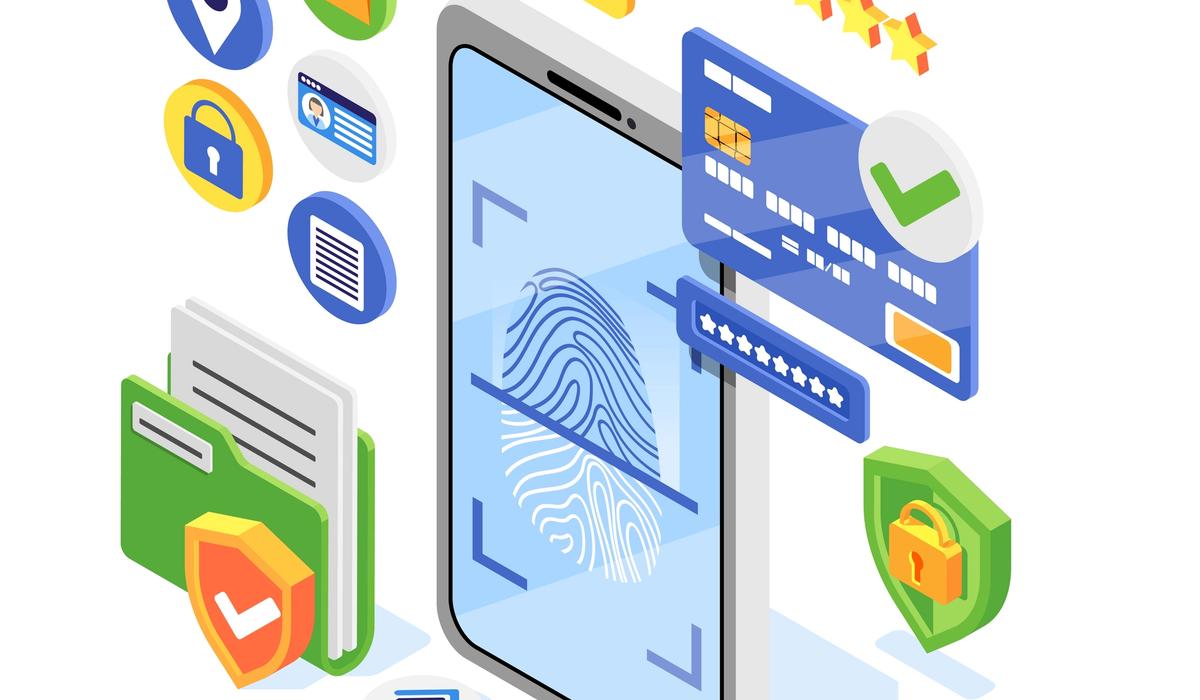
In today’s connected world, a business without a digital identity is almost invisible. Whether you’re running a small local shop or a growing agency, your online presence defines how customers find you, trust you, and interact with your brand. Building a strong digital identity is no longer optional—it’s essential for survival and growth.
A digital identity is more than just a website. It includes your brand’s visibility across search engines, social media, directories, email systems, and even how your business appears in customer communications. Fortunately, there are powerful tools that make building and managing this identity easier than ever.
1. Website Builders – Your Digital Headquarters
Your website is the foundation of your digital identity. It’s where customers learn about your services, contact you, and decide whether to trust you.
Platforms like Shopify are excellent for e-commerce businesses, while WordPress powers a large portion of the internet with flexible website creation tools. For those who prefer design-focused development, modern builders like Webflow or Wix allow drag-and-drop customization without coding.
A strong website should include:
- Clear branding (logo, colors, tone)
- Mobile responsiveness
- Fast loading speed
- Contact and inquiry options
2. Domain & Email Services – Professional Trust Layer
A custom domain name (like yourbusiness.com) immediately boosts credibility. Instead of using generic email addresses, businesses should use professional email services such as Google Workspace.
Google offers tools like Gmail for business, custom domain emails, and cloud storage through Google Drive. This makes communication more professional and organized.
A branded email like info@yourbusiness.com builds trust far more effectively than free email services.
3. Social Media Platforms – Visibility and Engagement
Social media is where your audience spends most of their time. It’s also one of the strongest tools for shaping digital identity.
Meta (which owns Facebook and Instagram) provides powerful platforms for brand storytelling, ads, and customer engagement. Meanwhile, platforms like LinkedIn help establish credibility in the professional world.
Consistency is key:
- Use the same logo and brand colors
- Maintain a consistent posting style
- Engage regularly with followers
4. Design Tools – Building a Visual Identity
Your visual branding defines how people remember your business.
Canva is one of the most popular tools for creating logos, social media posts, presentations, and marketing materials without needing advanced design skills. For more professional design work, Adobe tools like Photoshop and Illustrator remain industry standards.
A strong visual identity includes:
- Logo design
- Color palette
- Typography style
- Social media templates
5. SEO Tools – Getting Found Online
Even the best website is useless if nobody can find it. Search Engine Optimization (SEO) ensures your business appears in search results when people look for your services.
Tools like Google Search Console and SEMrush help you track keywords, fix website issues, and improve visibility.
Google Search remains the most important platform for organic discovery, making SEO a critical part of digital identity building.
6. CRM & Customer Tools – Managing Relationships
A digital identity is not just about visibility—it’s also about relationships.
Customer Relationship Management (CRM) tools like HubSpot or Zoho help businesses track leads, manage customer interactions, and automate communication.
These tools allow you to:
- Store customer data
- Track sales pipelines
- Automate follow-ups
- Improve customer retention
7. Analytics Tools – Understanding Your Audience
To improve your digital identity, you need to understand how people interact with your brand.
Google Analytics provides detailed insights into website traffic, user behavior, and conversion rates. This data helps businesses make smarter decisions about marketing and content strategies.
Final Thoughts
Building a digital identity is not about using one tool—it’s about combining multiple systems that work together. Your website, social media, branding, SEO, and analytics all form a connected ecosystem that represents your business online.
In a competitive market, businesses that invest in digital identity tools don’t just survive—they stand out, grow faster, and build stronger customer trust.
If you're starting now, begin with the basics: a website, professional email, and social media presence. From there, gradually expand into SEO, analytics, and automation tools to scale your digital identity effectively.